
Unpacking the Trade Deal Controversy
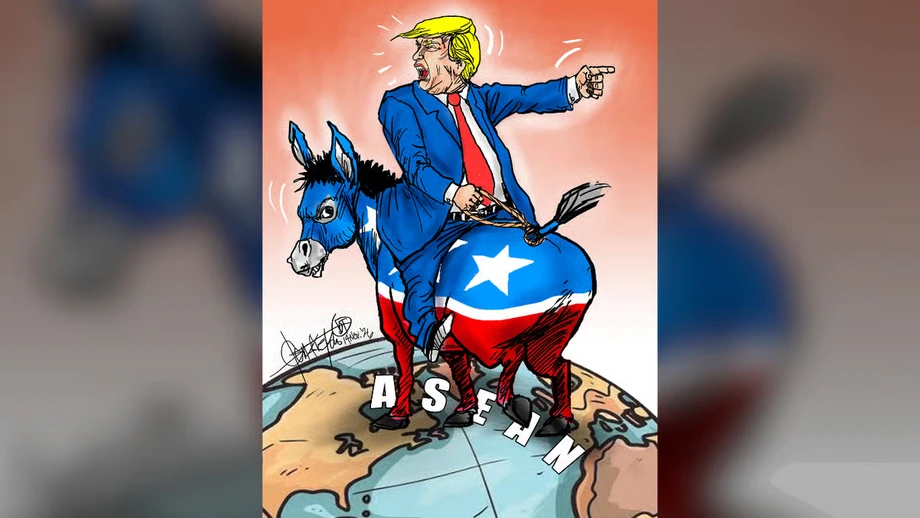
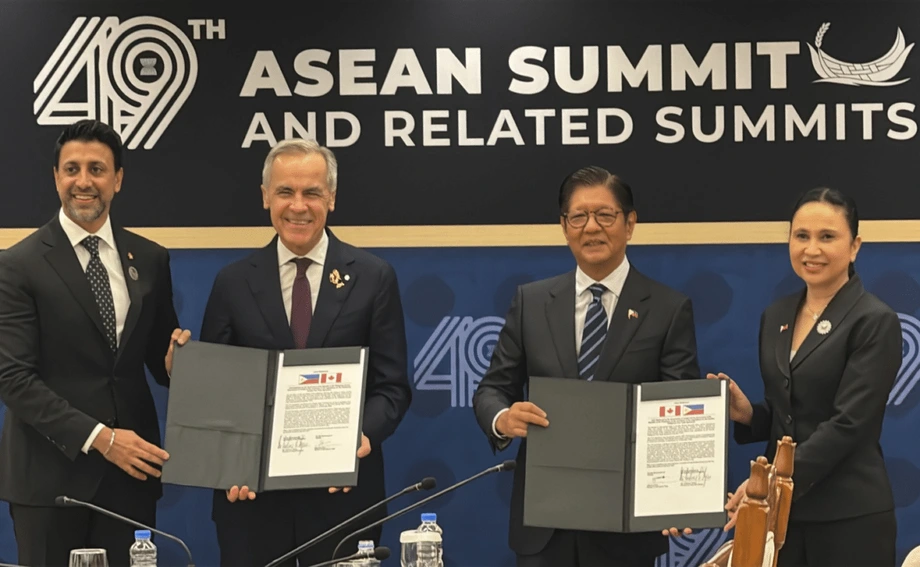
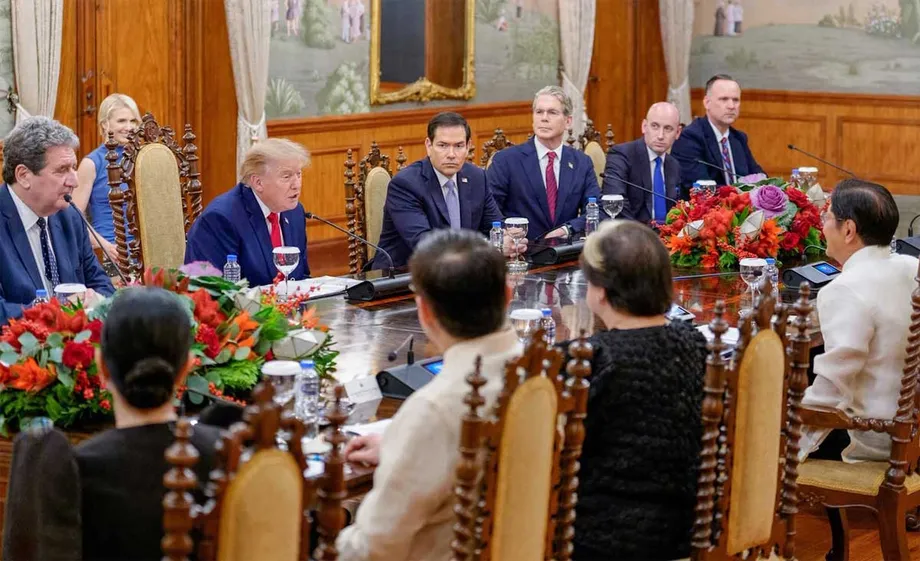
Business leaders and lawmakers in Manila are pressing the government for immediate transparency regarding a proposed trade arrangement with the United States. The demand follows conflicting statements from leaders in both countries after a bilateral meeting in Manila on Nov. 18, 2026. US President Donald Trump claimed during a Washington press conference on Nov. 21, 2026, that the Philippines agreed to source all its agricultural and energy imports exclusively from the US starting Jan. 1. Philippine officials have countered those assertions, describing the discussions as ongoing negotiations rather than finalized commitments.
Inhalt
Management Association of the Philippines president Donald Lim stated that while the business community welcomes stronger trade ties that could lower costs, a total commitment to American energy raises serious risks. Energy security relies on competitive pricing and diverse supply chains rather than replacing one foreign dependency with another. Business groups want the administration to disclose whether local exporters will receive genuine tariff concessions and how increased agricultural imports might affect domestic producers.
Energy security requires diversification, competitive pricing and continued investment in domestic and renewable energy.
Contrasting Positions from Manila and Washington
The public confusion stems from divergent accounts given by the heads of state following their meeting. While Trump told reporters at the White House on Nov. 21, 2026, that the Philippines will buy 100 percent of its agricultural goods and energy from the US, President Ferdinand Marcos Jr. stated in China on Nov. 20, 2026, that the country is simply exploring options to diversify supply sources amidst ongoing global disruptions.
Palace press officer Claire Castro addressed the public on Nov. 22, 2026, clarifying that the US is viewed as an alternative supplier rather than a sole provider. Castro emphasized that securing multiple sources helps drive down prices and mitigate inflation. She also noted that Marcos instructed Energy Secretary Sharon Garin to ensure sufficient crude supplies during the Middle East crisis and directed Agriculture Secretary Francisco Tiu Laurel Jr. to prepare for necessary food imports to counter a strong El Niño.
Concerns from Agricultural and Export Sectors
Philippine Exporters Confederation Inc. president Sergio Ortiz-Luis Jr. warned that the private sector should not be compelled to purchase from the US if American goods are not competitively priced. Ortiz-Luis urged Malacañang to clarify the exact status of the trade discussions and ensure that local buyers are not forced into expensive transactions. He also called for the US to eliminate tariffs to foster genuine reciprocal trade.
Samahang Industriya ng Agrikultura Executive Director Jayson Cainglet revealed that the Philippines currently runs a nearly $2 billion agricultural trade deficit with the US. While the US accounts for roughly $3 billion of Philippine agricultural imports, local exports to the American market total only about $1 billion. Cainglet noted that other nations offer cheaper alternatives for staple goods, pointing to Thailand, Vietnam and India for rice, and Brazil and the European Union for pork.
Energy Logistics and Legislative Realities
Energy Secretary Sharon Garin clarified on Nov. 23, 2026, that no final energy agreement has been signed and the proposal remains under negotiation. Garin pointed out that shipping fuel from the US takes between 30 and 45 days, creating logistical challenges compared to traditional suppliers in the Middle East, which provide nearly all of the country's current fuel supply.
Garin also emphasized that the Philippine oil industry is fully deregulated. Under current laws, the Department of Energy cannot compel private oil companies to purchase from a specific country. She noted that the only direct commitment the government can make regarding US energy is for gas supplies utilized in state managed stockpiles managed by the Philippine National Oil Company.
Behind-the-Scenes Diplomatic Pressures
Senate President Sherwin Gatchalian revealed that US Treasury Secretary Scott Bessent actively lobbied him during the state luncheon in Manila to shift the country's liquefied natural gas purchases from Qatar to the US. Gatchalian explained to Bessent that shipping costs from America make US gas significantly more expensive. According to Gatchalian, Bessent suggested that the US might lower its prices to offset those freight charges.
I told him, it is a matter of price in the end. If it is cheaper and more competitive with them, we will buy from them.
Timeline of Key Trade Discussions
- Nov. 18, 2026: President Marcos hosts US President Donald Trump for a bilateral meeting and state luncheon in Manila.
- Nov. 20, 2026: President Marcos states in China that the Philippines is looking to diversify agricultural and fuel sources.
- Nov. 21, 2026: US President Donald Trump claims at a White House press conference that the Philippines agreed to buy 100 percent of its agriculture and energy from the US.
- Nov. 22, 2026: Palace press officer Claire Castro and local business groups clarify that negotiations are ongoing and total dependence is not intended.
- Nov. 23, 2026: Energy Secretary Sharon Garin and agriculture advocates outline logistical hurdles and existing trade deficits.
Lawmakers Demand Full Public Disclosure
Opposition lawmakers have strongly criticized the lack of transparency surrounding the discussions. ACT Teachers Rep. Antonio Tinio described the proposed arrangements as a potential death sentence for domestic food production and local farmers. Tinio demanded that the full texts of all agreements and side letters be submitted immediately to Congress and released to the public.
Tinio argued that tethering the nation's food and energy security to Washington subjects domestic consumers to foreign geopolitical agendas. Meanwhile, Palace officials have reiterated that any finalized transactions will be vetted to protect local farmers, fisherfolk and domestic industries from negative impacts.
The Bottom Line
- The Philippine government maintains that no final agreement exists to source 100 percent of energy and agricultural imports exclusively from the US.
- Energy Secretary Sharon Garin noted that high shipping distances and a deregulated domestic oil market complicate exclusive American sourcing.
- Agricultural advocates highlight an existing $2 billion trade deficit with the US and point to cheaper regional suppliers for rice and pork.
- Business leaders insist that trade arrangements must prioritize competitive pricing, supply diversification, and tariff reciprocity.