
Understanding Artificial Intelligence Processors and Trade Rules
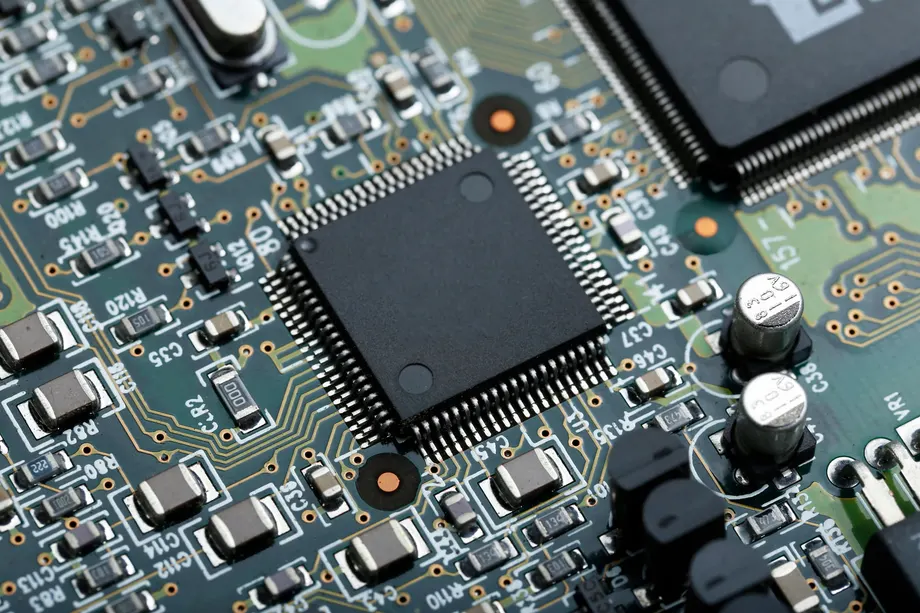
Artificial intelligence chips are specialized computer processors designed to handle massive computational workloads, enabling software systems to learn from vast data collections and execute complex operations. For years, the United States government has restricted the export of these advanced processors to China to safeguard national security. The current regulatory debate centers on whether permitting transactions for older generation hardware creates unacceptable vulnerabilities or simply pushes foreign competitors to develop domestic alternatives. The specific components under discussion include the H200 processor manufactured by Nvidia, a Santa Clara-based technology firm, which remains a capable tool for developing software models despite the existence of newer hardware generations.
Inhalt
U.S. Treasury Secretary Scott Bessent stated on November 20, 2026, that no additional restrictions on selling older Nvidia processors to China are necessary. His comments followed actions by the administration of President Donald Trump to block remote access to highest tier semiconductor technology for Chinese firms. Artificial intelligence chips are specialized computer processors designed to handle massive computational workloads, enabling software systems to learn from vast data collections and execute complex operations. U.S. authorities have historically limited the export of these powerful processors to safeguard national security. The current regulatory debate centers on whether permitting transactions for older generation hardware creates unacceptable vulnerabilities or simply pushes foreign competitors to develop domestic alternatives. The specific components under discussion include the H200 processor manufactured by Nvidia, a Santa Clara-based technology firm, which remains a capable tool for developing software models despite the existence of newer hardware generations. Understanding the chip control debate artificial intelligence chips are the powerful computer processors that allow software systems to learn from vast amounts of data and perform complex tasks as explained in Treasury Secretary Scott Bessent Defends Older Chip Sales to China as Nvidia Halts Shipments from November 21, 2026.
Congressional Scrutiny and Approved Chip Allocations
The House Foreign Affairs Committee released detailed findings showing that the Department of Commerce approved the sale of more than 850,000 advanced chips to companies with ties to China. The approved transactions cover H200 processors from Nvidia and comparable MI325X chips from Advanced Micro Devices. The Commerce Department's Bureau of Industry and Security processed these requests through twenty-one license applications submitted up to May 11, 2026. The initial requests from manufacturers sought to sell more than 3.4 million units to Chinese-tied organizations. The official House Foreign Affairs Committee report detailing Commerce Department chip approvals noted that applications covering NVIDIA H200 and AMD MI325X chips sought to transfer 3,444,160 covered integrated circuits to PRC companies, with approvals covering 879,868 circuits across 21 applications as of May 11, 2026.
Several major Chinese enterprises appeared on the list of approved recipients. Records show allocations of 75,000 chips for Alibaba, 150,000 chips for Tencent and its subsidiaries, 43,000 chips for Baidu, and 4,000 chips for BYD. The Department of Defense previously identified each of these corporations as having connections to the Chinese military. A spokesperson for the licensing bureau defended the transparency of the regulatory process and noted that approvals are granted under strict national security requirements rather than a presumption of denial. On January 13, 2026, the Department of Commerce Revises License Review Policy for Semiconductors Exported to China, introducing case-by-case reviews and mandatory third-party testing in the United States.
Nvidia Halts Shipments Amid Leadership Changes
Nvidia confirmed that it has stopped shipping licensed Hopper data center products to China, even for customers who had already secured export approvals. Interim Chief Executive Officer Colette Kress told financial analysts that the company removed China data center compute revenue from its fourth-quarter financial outlook. During the quarter ended October 25, Nvidia recorded $2.4 billion in sales for those licensed products, representing about two percent of its total quarterly revenue of $115.8 billion. The suspension of shipments coincides with a major leadership transition at the chipmaker. Co-founder Jensen Huang stepped down as chief executive after a 33-year tenure following controversies surrounding his personal relationships.
Remote Access and Third-Country Regulations
Concerns regarding export controls extend beyond physical shipping containers to include remote cloud computing facilities. On November 16, 2026, the administration introduced measures requiring licenses for overseas data centers that rent large volumes of American compute to Chinese companies. The rules apply to facilities capable of supplying over 12 million aggregate total processing performance, equivalent to about 750 high-end processors. Singapore, Malaysia, Thailand, Indonesia, and Brazil were placed on a special license destination list due to diversion risks. Treasury Secretary Scott Bessent stated that banning physical chips makes little sense when computing power can be rented through overseas data centers.
Stockpile Dynamics in Hong Kong
About 600,000 Nvidia H200 artificial intelligence chips are being held in Hong Kong while China withholds approval for large shipments into the mainland, according to two people familiar with the matter. The stockpile puts a number on a costly standoff as Chinese technology companies want powerful American processors, while Beijing wants to limit dependence on American technology. As noted in earlier coverage regarding when 600,000 Nvidia H200 Chips Wait in Hong Kong as China Holds Back Bulk Imports on November 6, 2026, some chips have entered mainland China in recent months through limited shipments and indirect routes.
Production Demands and Market Realities
Chinese technology companies ordered more than 2 million Nvidia H200 artificial intelligence chips for 2026 against reported inventory of about 700,000 units. Nvidia approached Taiwan Semiconductor Manufacturing Co. about additional production, with manufacturing expected to begin in the second quarter of 2026, according to reports published on December 31, 2025. The figures put the immediate inventory gap at more than 1.3 million chips. Existing stock would cover less than 35% of the reported orders, even if every available unit were allocated to those buyers. The volume of any additional order has not been disclosed, so the production discussions do not yet establish how much of that gap Nvidia could close.
The Bottom Line
- Treasury Secretary Scott Bessent reaffirmed that U.S. policy allowing H200 chip exports to approved Chinese buyers remains unchanged.
- Nvidia halted shipments of licensed Hopper data center products to China after recording $2.4 billion in sales during the quarter ended October 25, 2026.
- The U.S. Commerce Department approved license applications covering 879,868 advanced AI chips out of more than 3.4 million requested.
- Approximately 600,000 H200 chips remain stored in Hong Kong warehouses as Beijing delays large-scale import approvals.
- New remote access rules require licenses for overseas data centers providing significant computing power to companies in restricted countries.