
Global Financial Markets Hit by Simultaneous Sell-Off
Financial markets across the United States, Japan, and South Korea experienced intense downward pressure as multiple negative factors collided. Investors grew increasingly anxious about a potential bubble in artificial intelligence technology stocks, while uncertainty surrounding future borrowing costs created further distress. This volatile mix triggered a sweeping liquidation event that affected everything from equities to commodities such as copper and gold. Reuters reported that the market decline began to snowball last month after starting with mid-year worries over technology valuations and subsequent signals from major economies about tightening monetary policy.
Inhalt
- Global Financial Markets Hit by Simultaneous Sell-Off
- Cryptocurrency and Precious Metals Experience Historic Liquidation
- Central Bank Policy and Inflation Pressures Drive Market Shifts
- Timeline of Key Economic and Market Developments
- Diverging Wall Street Outlooks and Future Economic Risks
- The Essentials
Since the stock market reached its peak in August, total market capitalization has dropped by nearly 9 trillion dollars. Taiwan experienced a particularly steep equity decline of 17 percent, marking its most severe downturn since the early 1990s. Political developments in the United States, including a heavy defeat for the Republican party in the midterms, compounded these anxieties. Furthermore, the resignation of Nvidia former chief executive Jensen Huang left investors questioning whether companies can realistically expand their data center operations at the projected pace.
Commodity markets felt the shockwaves immediately, with industrial metals enduring heavy losses. Copper prices suffered their most dramatic weekly drop since April 2025. Data centers had previously driven massive demand for copper due to the rapid expansion of artificial intelligence infrastructure, but recent variables in the sector reversed that momentum. Government bonds reacted differently as investors sought traditional safe havens. The yield on the 10-year United States Treasury note fell by 17 basis points over the week, heading toward its largest weekly decline since April 2025. In Europe, Germany 10-year government bond yields dropped by about 9 basis points in a single day.
Cryptocurrency and Precious Metals Experience Historic Liquidation
Digital asset markets faced severe turbulence as leveraged positions were forcefully closed out en masse. Data from the Bitcoin & Crypto Liquidations: Real-Time Data & Charts platform revealed that approximately 292,000 traders suffered contract liquidations within a 24-hour period, totaling 1.89 billion dollars in wiped-out positions, mostly consisting of long bets. Bitcoin plummeted sharply on November 21, breaking through the 58,000 dollar threshold and touching a daily low of 55,130 dollars. This drop marked the lowest level for the cryptocurrency since September 2024, with a maximum daily loss approaching 10 percent.
Precious metals suffered an equally historic sell-off as safe-haven assets lost their appeal against surging currency values. Spot gold broke below the 3,600 dollar per ounce threshold, touching an intraday low of 3,514.72 dollars. This figure represents a decline of 2,000 dollars from the record high established earlier in the year, reaching its lowest point since September 2025. Gold prices dropped by approximately 8 percent for the week, marking the worst weekly performance in eight months. Other precious metals followed suit, with spot silver, platinum, and palladium dropping by more than 3 percent during the sessions.
Central Bank Policy and Inflation Pressures Drive Market Shifts
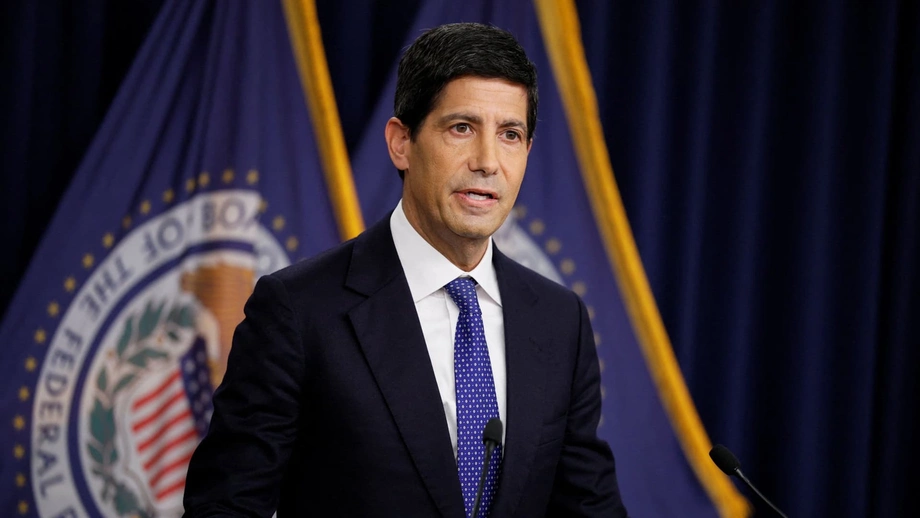
The Federal Reserve approved its first interest rate hike in more than three years during September 2026, raising the benchmark borrowing rate by 25 basis points to a target range of 3.75 percent to 4 percent. The Federal Open Market Committee voted unanimously 12-0 to implement the change. Federal Reserve Chairman Kevin Warsh addressed the public during a news conference to explain the central bank reasoning.
Inflation remains elevated. Today action will support a timelier return to the Committee 2 percent goal. The Committee will deliver price stability.
Chairman Warsh further emphasized the necessity of the decision by noting that price increases had persisted above the target for too long. He pointed to a strong domestic economy, a resilient labor market, and ongoing geopolitical tension in the Middle East as factors supporting the unanimous decision. Minutes from the October policy meeting, released in November 2026, indicated that nearly all central bank officials favored keeping the door open for additional rate increases. Cleveland Fed president Beth Hammack and Fed governor Lisa Cook both dissented during previous discussions by advocating for earlier or firmer tightening to prevent inflation from becoming entrenched.
Timeline of Key Economic and Market Developments
- Late August 2026: Market sentiment shifts as Federal Reserve signals prepare Wall Street for potential monetary tightening.
- September 16, 2026: The Federal Open Market Committee votes unanimously to raise the benchmark interest rate by 25 basis points to 3.75 percent-4 percent.
- October 2026: Federal Reserve policy meeting concludes with a decision to hold rates steady while officials debate future inflation risks.
- Mid-November 2026: Equity markets and commodity prices accelerate a broad sell-off amid concerns over technology valuations.
- November 18, 2026: Central bank policy minutes reveal widespread official support for future rate hikes.
- November 21, 2026: Bitcoin drops past the 58,000 dollar mark, and spot gold falls below 3,515 dollars amid massive liquidations.
Diverging Wall Street Outlooks and Future Economic Risks
Financial institutions expressed varying perspectives on the trajectory of precious metals and broader market conditions following the sell-off. Analysts at Goldman Sachs adjusted their long-term forecasts by lowering their price target for gold to 4,650 dollars by the end of 2027. Conversely, UBS maintained an optimistic stance by upgrading its rating on gold and reaffirming a 5000 dollar target for the same timeframe. Morgan Stanley attributed the metal market correction not to fundamental economic deterioration, but rather to shifting interest rate expectations, cooling sentiment around technology investments, and a stronger dollar.
Market participants also weighed the broader economic consequences of heavy corporate spending on artificial infrastructure. Central bank officials noted in recent meeting minutes that the current investment surge could increase demand relative to supply if capacity expansion proves slower than anticipated. This dynamic risks creating persistent inflationary pressures that could force policymakers to maintain restrictive borrowing costs for an extended period.
The Essentials
- Global financial markets endured a massive sell-off driven by artificial intelligence sector worries and shifting monetary policy expectations.
- Total stock market capitalization dropped by nearly 9 trillion dollars since August, with Taiwan seeing a 17 percent equity decline.
- Cryptocurrency liquidations reached 1.89 billion dollars in 24 hours as Bitcoin fell below 55,130 dollars.
- Spot gold dropped below 3,514 dollars per ounce, hitting its lowest level since September 2025.
- The Federal Reserve raised its benchmark interest rate to a range of 3.75 percent to 4 percent, with policymakers signaling further tightening ahead.